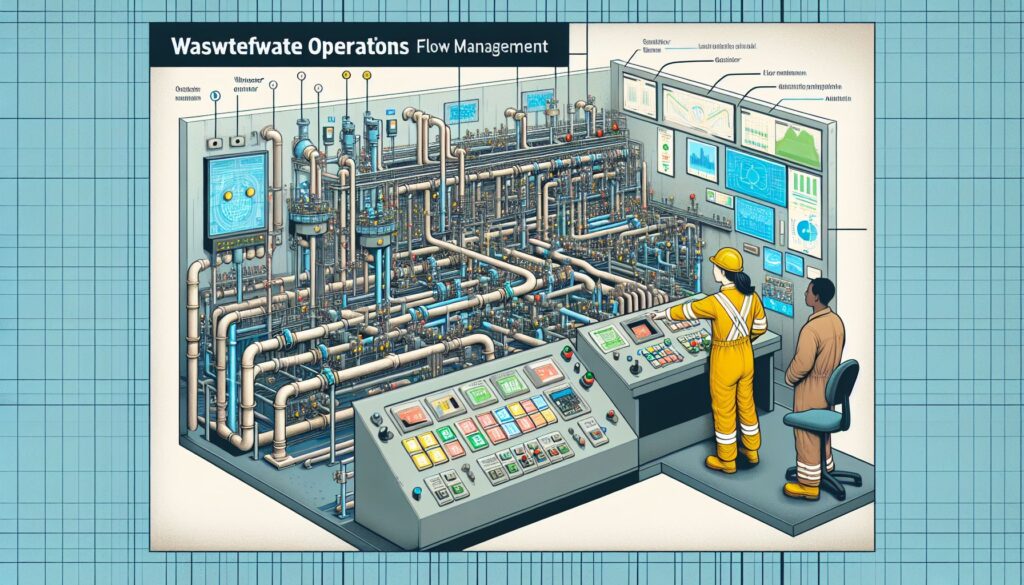
Wastewater operations and management are a critical part of the infrastructure for any city or community. Wastewater flow management, in particular, is an essential component of wastewater operations due to its implications for public health, environmental protection, and legal compliance. Effective flow management strategies help prevent overflows, guarantee compliance with discharge restrictions, and optimize operational costs.
The Importance of Wastewater Flow Management
From a practical standpoint, flow management in wastewater operations is crucial to ensure a smooth and effective treatment process in wastewater facilities. Since the volume and pattern of wastewater inflows can vary dramatically, operators must be prepared to handle unpredictable shifts in flow rates.
Controlling the hydraulic capacity of the facility means stopping problems before they occur. Inflows and infiltration (I&I) is a significant concern for many wastewater systems. Water from storm runoff, illegal connections, or leaking infrastructure can infiltrate into the wastewater system, adding to the overall flow volume. This extra water can strain the system, lead to sanitary sewer overflows (SSOs), and degrade the overall effectiveness of the treatment process.
Tools and Techniques for Flow Management
For effective wastewater flow management, monitoring and data collection tools are used extensively. Supervisory Control and Data Acquisition (SCADA) systems, for example, provide real-time monitoring of flow rates and other critical parameters, supporting operational decision-making at wastewater facilities.
Flow equalization is another widely utilized technique in flow management. This process involves the temporary storage of high-volume flows during peak periods, to be gradually reintroduced to the treatment process during off-peak periods. Equalization basins help alleviate pressure on treatment processes, prevent system overflows, and improve the overall efficiency of the treatment process. These equalization basins, however, require proper planning and maintenance to avoid issues such as potential toxicity and odor problems.
Challenges in Wastewater Flow Management
While flow management is a critical function in wastewater operations, it can present several challenges. One is the potential for system overflows during periods of heavy rainfall. These overflows bypass the treatment process and discharge untreated or partially treated wastewater directly into water bodies, posing serious health and environmental risks.
One potential solution to this issue is the use of green infrastructure techniques (more info at EPA website) such as permeable pavements, green roofs, and rain gardens that naturally manage stormwater where it falls, reducing the amount that enters the wastewater system.
A significant issue in managing wastewater flow is the aging infrastructure in many cities across the U.S. Old and decaying pipelines often cannot handle the high volumes of flow, particularly during storm events. Regular maintenance and timely upgrades are necessary to prevent breakages and leaks that can cause treatment disruption, overflows, and high repair costs.
Innovations in Wastewater Flow Management
Technology and innovation continue to play a significant role in advancing the tools and techniques used in wastewater flow management. For instance, advanced metering systems are now used to accurately monitor and control the flow rates. Intelligent network modeling and predictive analytics are transforming the way wastewater systems are managed and maintained.
Sensor technology is an area that continues to develop rapidly, offering wastewater operators more options for monitoring and controlling their systems in real-time. There’s considerable potential in the area of IoT (Internet of Things) technology, which offers the promise of a smarter, more connected approach to wastewater flow management.
For additional valuable information about wastewater operation updates and services, I recommend visiting WaterandWastewater.com.
In Conclusion
In conclusion, wastewater flow management is a critical component of an effective, efficient, and environmentally responsible wastewater operations system. Despite the challenges it presents, advances in technology and innovative techniques are providing wastewater operators more tools than ever to manage flows effectively. Overall, sound flow management practices will help ensure the smooth operation of wastewater treatment facilities, compliance with environmental regulations, and protection of public health. As we continue to learn, adapt, and innovate in this area, the future of wastewater flow management looks promising.