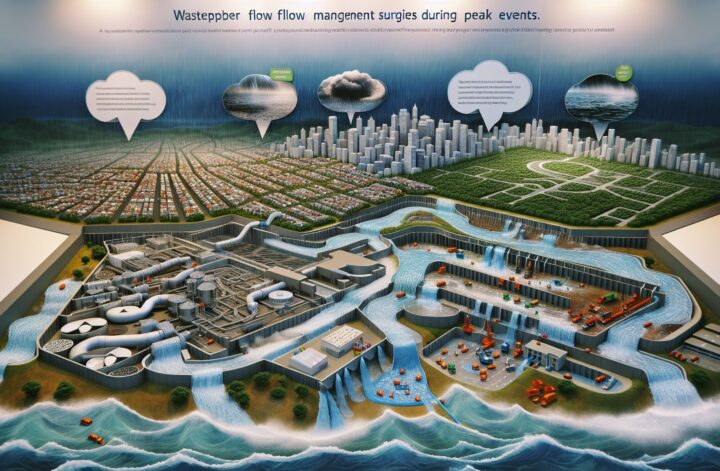
Introduction to Peak Flow Events
Peak flows represent periods of markedly increased water flow, typically during or after rainfall events. They present a significant challenge to wastewater treatment plants (WWTPs), often exceeding their operational capacities. This can lead to undesirable scenarios, such as the release of untreated or partially treated sewage into local water bodies, known as treatment bypass. Understanding the implications and potential mitigation strategies for peak flow events is a vital consideration for wastewater management.
Causes of Peak Flow Events
Weather is the chief cause of peak flow events. Heavy rainfall can infiltrate the sewer system in several ways. It can enter sewers through inflow, which is water directed into sewers through connections like roof downspouts, or infiltration, where groundwater enters sewer pipes through cracks or leaky joints. In older cities with combine sewer systems, rainwater connects directly into the sewers, increasing flows dramatically during wet weather.
Combined sewer systems are designed to collect rainwater runoff, domestic sewage, and industrial wastewater in the same pipeline. During periods of heavy rainfall or snowmelt, the wastewater volume can exceed capacity, and overflow can occur. The combined sewer overflow guidance by the US EPA provides extensive information on how to manage these systems properly to limit environmental impact.
The Risk of Treatment Bypass
Treatment bypass events occur when peak flow exceeds the processing capacity of the WWTPs. Excessive flows can overflow treatment systems, leading to untreated or partially treated water being discharged directly into nearby rivers, streams, or other water bodies.
Consequently, these bypass events can impact public health and environmental quality. Untreated wastewater often contains harmful bacteria and pollutants which can negatively affect water quality.
Measures to Reduce Bypass Risk
There are various operational methods to manage bypass risk during peak flow events.
Capacity optimization can involve scheduling maintenance during seasons with low rainfall to ensure maximum treatment capacity during high-risk seasons.
System improvements are another method to manage peak flows. Infrastructure upgrades to augment plant capacity or installing real-time control systems can be beneficial.
Rainwater harvesting practices in urban areas can help reduce entrance of excess rainwater into the sewer system.
Implementing low impact development (LID) strategies can also reduce infiltration and inflow rates leading to lower peak flows. LID promotes water conservation and quality, emphasizing the idea that rainwater is a resource rather than waste.
Long-term Planning for Peak Flow Management
Long-term strategies often involve the upgrading of preventative measures, such as enhancing infrastructure resilience and involving urban planning for managing rainfall and snowmelt. Advanced forecasting and monitoring systems can also help predict and manage peak flow events.
Flow reduction initiatives help reduce wastewater quantity before it reaches treatment plants. These can include high efficiency plumbing fixtures and appliances, promoting water conservation practices and implementing green infrastructure.
The Integrated Planning approach suggests coordinating wastewater and stormwater management to handle higher peak flows effectively, a strategy endorsed by many municipalities across the US.
Conclusion: Co-Responsibility for Peak Flow Management
Peak flow events and treatment bypass risk requires the participation of a wide range of stakeholders. From municipalities to residents, everyone has a role to play. Public education about water conservation practices, responsible use of the wastewater system, and sustainable stormwater practices is crucial in mitigating peak flow events and subsequent treatment bypass risk.
As our knowledge about these events improves and technology advances, we are better equipped to manage peak flow events and reduce bypass risk. Further resources and research, such as the works of the Water Environment Federation, provide valuable insights for those seeking practical solutions for these challenges.