Water treatment systems worldwide are encountering high levels of strain, owing largely to the concept of peak flow. What this strain translates into is a need to balance peak flow storage and treatment capacity planning in a manner that guarantees both effectiveness and efficiency.
Understanding Peak Flow
To appreciate the interplay between peak flow storage and treatment capacity planning, it’s imperative to first understand peak flow. This industry term refers to the highest volume of wastewater entering a treatment plant generally after heavy downpour peak flow management. It’s a crucial factor in wastewater treatment because it directly impacts how prepared a treatment facility necessitates to be to handle such influxes.
In essence, peak flow places heightened demand on treatment systems, requiring them to bear the capacity to filter and purify more significant quantities of wastewater within a short period. Such fluctuations can significantly impact the effectiveness of the entire treatment process and, refraining from adequately managing it, can contribute to immense problems.
The Role of Peak Flow Storage
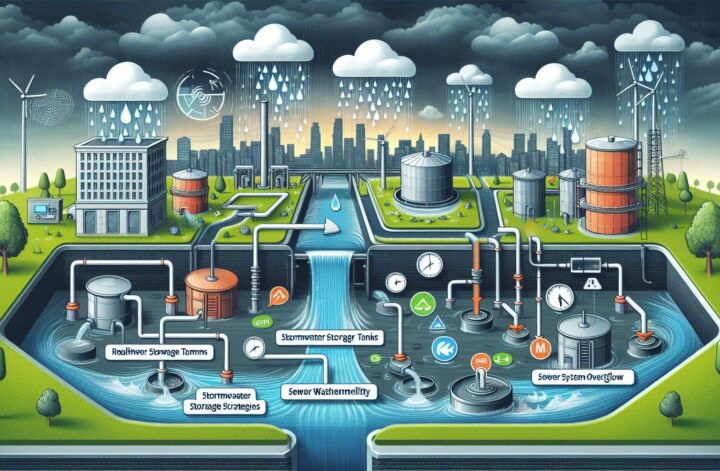
Peak flow storage emerges as a potential solution to these challenges. As the name implies, it involves the creation of storage facilities or lagoons that can hold excess wastewater during periods of peak flow. These facilities act as buffers, enabling treatment plants to handle the sudden surge of wastewater without straining their existing resources. As the flow rates stabilize, the water from these storage facilities can slowly be introduced into the treatment process, ensuring a continuous and stable operation.
Notably, one common method is the construction of equalization basins, which serve the explicit purpose of leveling out flow rates into the treatment plant. The U.S. Environmental Protection Agency recommends these as an effective approach to managing peak flow events, but they also acknowledge that they require significant financial investment and potentially expansive land usage.
Treatment Capacity Planning Approach
Contrarily, another viable approach lies within treatment capacity planning. Instead of developing facilities to store this excess water, treatment capacity planning involves calculating and preparing the treatment plant’s capability to deal with these peak flows. This process is particularly pertinent in regions where wastewater volumes constantly fluctuate due to factors like seasonal variations in precipitation.
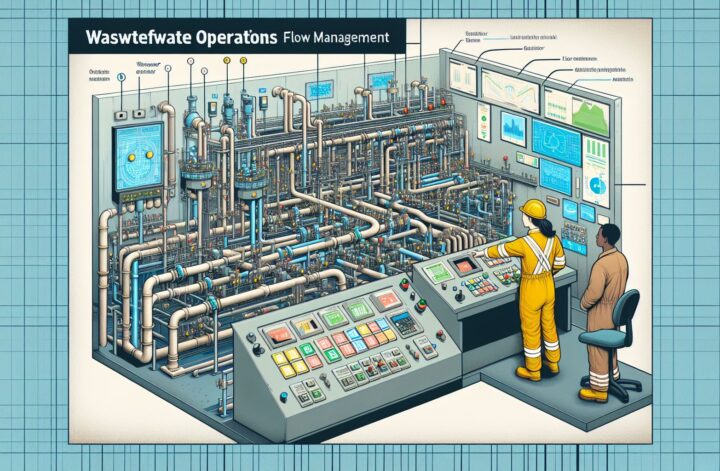
Capacity planning consists of systematically analyzing the past data of inflow rates, identifying trends and patterns, and determining the highest expected volume that the plant might need to treat. Once these peaks are determined, efforts can be directed towards ensuring that the treatment facility has all the resources (such as chemicals, energy, and personnel) necessary to effectively treat this volume of wastewater.
For example, the City of San Diego Public Utilities Department utilizes data-based capacity planning to ensure its wastewater treatment facilities can manage peak flow times. While it helps ensure a treatment plant can always perform at its best, this method can result in redundant resources during off-peak times, which could be perceived as wasteful.
Striking a Balance
Evidently, both peak flow storage and treatment capacity planning have their pros and cons. The ideal scenario would involve a mix of both, contingent upon the specific circumstances surrounding each water treatment facility. Factors such as the availability of resources, land, and funding will all play a crucial part in adopting one strategy over the other, or possibly, a mix of both.
In essence, while peak flow storage provides a buffer that ensures a steady inflow of water to the treatment plant irrespective of external conditions, treatment capacity planning ensures a high level of preparedness offering direct resources to cope with peak flows. Only by analyzing the patterns of wastewater flow and the resources at hand can a treatment facility truly determine the balance that suits its unique needs.
In sum, both approaches indeed play pivotal roles in water treatment. Therefore, a informed decision must be taken considering environmental conditions, financial capabilities and public health concerns to determine the right approach, ultimately contributing to a sustainable water treatment setup.