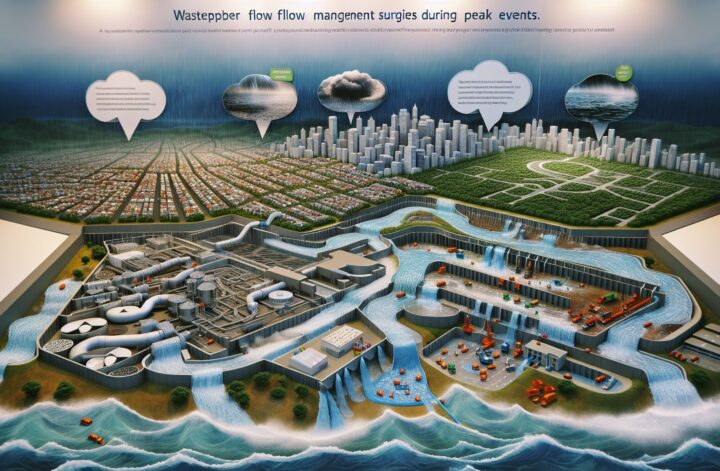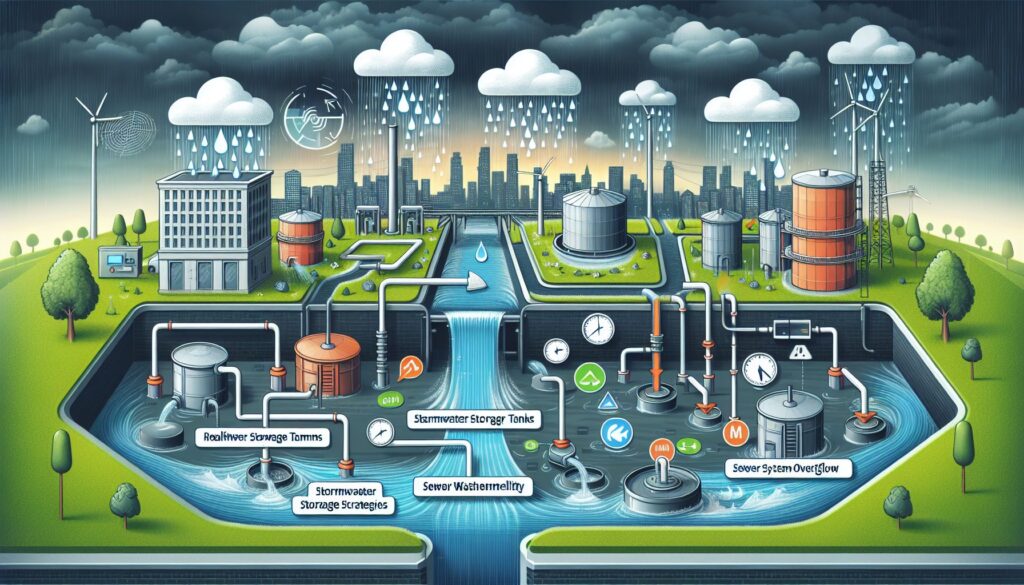
Wet weather flow events pose significant challenges to wastewater systems. These events, such as heavy rains or snowmelt, cause an increase in the volume of flow in a wastewater system, which can lead to various issues. This article aims to examine these issues in detail and provide practical solutions for managing them effectively.
Understanding Wet Weather Flow Events
Wet weather flow events refer to any meteorological event that increases the amount of water running off into a wastewater system. This includes heavy rainfall, rapid snowmelt, and storms. Wet weather events can result in increased flow into the sewer system, and if not properly managed, can lead to overflows, flooding, and system failures. These pose major environmental, public health, and economic problems.
Impacts of Wet Weather Flow Events on Wastewater Systems
When a large volume of water enters the wastewater system unexpectedly, it can quickly exceed the system’s capacity. This overcapacity can result in sanitary sewer overflows (SSOs), where untreated wastewater spills onto city streets or even into homes. In addition, these overflows can force treated water back into bodies of water, potentially contaminating drinking water supplies and natural habitats.
The upshot is that effective wet weather flow management is about more than just maintaining the integrity of the wastewater system. It’s also crucial for protecting public health and the environment. For robust technical guidelines for managing wet weather events, the U.S. Environmental Protection Agency’s wet weather management guidance can be an invaluable resource.
Current Methods for Managing Wet Weather Flow
There are several recognized measures for managing the impacts of wet weather events on wastewater systems. These include methods for reducing the inflow and infiltration of stormwater into sewers. These might involve updating the design of the system to accommodate increased flows or upgrading the infrastructure, such as installing larger or additional pipes. Also, the use of advanced monitoring and control systems can help manage flows more effectively through real-time data.
More recently, there’s been a move toward “green infrastructure” in wet weather flow management. This refers to the use of natural systems or engineered systems that mimic natural landscapes to store, absorb, or delay runoff. Green infrastructure can include features like green roofs, rain gardens, and permeable pavement.
The Challenges of Implementing Wet Weather Flow Management Measures
While implementing these measures can significantly reduce the impacts of wet weather flow events, it also brings about certain challenges. For one, updating or upgrading infrastructure can be expensive and might require considerable time and resources. Plus, it could potentially disrupt normal operations and cause inconvenience to the public.
On the other hand, while green infrastructure can be more cost-effective and environmentally friendly, its effectiveness varies depending on the local climate, soil type, and other factors. Furthermore, it might not be feasible to implement in certain densely populated or built-up areas.
Moving Forward in Wet Weather Flow Management
To address these challenges, it’s crucial for authorities to take an integrated and adaptable approach to wet weather flow management. This involves considering all the available options–including traditional infrastructure upgrades and less conventional green infrastructure solutions–and selecting the most appropriate combinations for their specific circumstances. They should also ensure they’re fully utilizing existing capacities and taking steps to minimize flow volumes, such as by implementing efficient stormwater management practices.
As wet weather flow events become more frequent and severe, due to climate change, the need for effective management of these events is becoming more urgent. Therefore, it’s essential for wastewater operators to continuously learn, adapt and innovate to protect their systems, their communities, and the environment.
By achieving a better understanding of wet weather flow events and their impacts, and by employing a balanced and adaptable approach to management, we can reduce the risks and costs associated with these events, while also enhancing the sustainability and resilience of our wastewater systems.
For further exploration on this topic, this detailed analysis from Stanford University provides an in-depth look at the challenges and opportunities associated with managing wet weather flow events. Furthermore, case studies from cities that have successfully implemented innovative solutions could serve as useful models for other communities. A great example is the City of Portland’s aggressive Green Streets program, which shows how green infrastructure can be effectively integrated into urban environments.