Peak flow storage versus treatment capacity planning

Water treatment systems worldwide are encountering high levels of strain, owing largely to the concept of peak flow. What this strain translates into is a need to balance peak flow storage and treatment capacity planning in a manner that guarantees both effectiveness and efficiency.

Understanding Peak Flow

To appreciate the interplay between peak flow storage and treatment capacity planning, it’s imperative to first understand peak flow. This industry term refers to the highest volume of wastewater entering a treatment plant generally after heavy downpour peak flow management. It’s a crucial factor in wastewater treatment because it directly impacts how prepared a treatment facility necessitates to be to handle such influxes.

In essence, peak flow places heightened demand on treatment systems, requiring them to bear the capacity to filter and purify more significant quantities of wastewater within a short period. Such fluctuations can significantly impact the effectiveness of the entire treatment process and, refraining from adequately managing it, can contribute to immense problems.

The Role of Peak Flow Storage

Peak flow storage emerges as a potential solution to these challenges. As the name implies, it involves the creation of storage facilities or lagoons that can hold excess wastewater during periods of peak flow. These facilities act as buffers, enabling treatment plants to handle the sudden surge of wastewater without straining their existing resources. As the flow rates stabilize, the water from these storage facilities can slowly be introduced into the treatment process, ensuring a continuous and stable operation.

Notably, one common method is the construction of equalization basins, which serve the explicit purpose of leveling out flow rates into the treatment plant. The U.S. Environmental Protection Agency recommends these as an effective approach to managing peak flow events, but they also acknowledge that they require significant financial investment and potentially expansive land usage.

Treatment Capacity Planning Approach

Contrarily, another viable approach lies within treatment capacity planning. Instead of developing facilities to store this excess water, treatment capacity planning involves calculating and preparing the treatment plant’s capability to deal with these peak flows. This process is particularly pertinent in regions where wastewater volumes constantly fluctuate due to factors like seasonal variations in precipitation.

Capacity planning consists of systematically analyzing the past data of inflow rates, identifying trends and patterns, and determining the highest expected volume that the plant might need to treat. Once these peaks are determined, efforts can be directed towards ensuring that the treatment facility has all the resources (such as chemicals, energy, and personnel) necessary to effectively treat this volume of wastewater.

For example, the City of San Diego Public Utilities Department utilizes data-based capacity planning to ensure its wastewater treatment facilities can manage peak flow times. While it helps ensure a treatment plant can always perform at its best, this method can result in redundant resources during off-peak times, which could be perceived as wasteful.

Striking a Balance

Evidently, both peak flow storage and treatment capacity planning have their pros and cons. The ideal scenario would involve a mix of both, contingent upon the specific circumstances surrounding each water treatment facility. Factors such as the availability of resources, land, and funding will all play a crucial part in adopting one strategy over the other, or possibly, a mix of both.

In essence, while peak flow storage provides a buffer that ensures a steady inflow of water to the treatment plant irrespective of external conditions, treatment capacity planning ensures a high level of preparedness offering direct resources to cope with peak flows. Only by analyzing the patterns of wastewater flow and the resources at hand can a treatment facility truly determine the balance that suits its unique needs.

In sum, both approaches indeed play pivotal roles in water treatment. Therefore, a informed decision must be taken considering environmental conditions, financial capabilities and public health concerns to determine the right approach, ultimately contributing to a sustainable water treatment setup.


Continue Reading

Temporary flow control during construction activities

The significance of temporary flow control during construction activities cannot be overstressed. The implementation of traffic management plays a vital role in safeguarding both the workers and the travelling public. Modeled around safety, temporary flow control is an essential part of construction activities, which requires a comprehensive understanding of practical implications and real-world considerations.

Understanding Temporary Flow Control

Temporary flow control, in the essence of construction activities, involves the management of movement around a construction site. This could include vehicles, pedestrians, and construction equipment. The primary objective of this management system is to ensure safety and minimize disruption to the local environment.

In construction, temporary flow control plays an instrumental role in reducing risks associated with construction works. This can be achieved by defining clear routes and workspace boundaries, implementing adequate signage, and ensuring the observance of standard operational rules.

Implementing Temporal Flow Control: Practical Steps

Planning is the initial and a crucial step in temporary flow control during construction activities. To create an effective traffic control plan, it is vital to understand the nature of the construction work, the expected volume of traffic, and the environmental conditions surrounding the construction area.

Construction managers should consider the following factors during this planning phase:

  1. The worksite layout: Identifying the construction and non-construction areas.
  2. Traffic Volume: Determining peak and off-peak hours.
  3. Routing: Defining clear routes for construction and non-construction traffic.
  4. Signage: Ensuring the presence of appropriate signage for guidance.

Once the control plan is in place, the next step is to implement it. There are several control measures that can be adopted, and they include the use of barriers, flaggers, signs, and other forms of traffic control devices.

The Federal Highway Administration provides a detailed construction flow management guidance addressing several key aspects to consider while implementing a traffic control plan, such as the use of flaggers, barrier placement, and on-site communication protocols.

The Importance of Training and Communication

Effective flow control during construction is not a solitary task; it involves the participation of each individual present on the worksite. Therefore, comprehensive training for workers, including flaggers and construction site drivers, is a significant element in effective flow management.

Moreover, communication plays a pivotal role in ensuring the smooth functioning of operations. It is crucial to keeping all parties informed about changes in the flow control plan, safety protocols, and traffic management rules.

Impact of Temporary Flow Control on Construction Operations

The deliberate inclusion of temporary flow control enhances construction operations in several ways. Firstly, it adds a layer of protection for workers on a construction site. Secondly, it enhances productivity by reducing the potential for disruptions to construction operations due to traffic-related incidents. Furthermore, it assists in maintaining community relationships by minimizing nuisance to neighbouring areas.

Key Considerations of Temporary Flow Control

Managing temporary flow control during construction might present some challenges. These could include weather conditions affecting visibility, the unpredictability of pedestrian movements, or changes to work schedules.

Responding to these issues requires agility in adapting the flow control plans, clear communication of changes and continuous training of personnel.

In conclusion, temporary flow control during construction activities is an essential safety measure that protects workers and the public by ensuring the smooth movement of traffic around a construction site. It necessitates careful planning, training, and continuous communication to be efficient.

For more specific information on details of implementing and managing temporary flow control during construction activities, you could refer to numerous resources such as the Occupational Safety and Health Administration website or research articles from Civil Engineering Research Foundation to gather more comprehensive information.

Continue Reading

Flow forecasting for utility operations

Flow forecasting is a crucial component in the daily operations of utility companies. This analysis provides insights that are vital for various tasks — notably efficient allocation of resources and risk management. Utility providers rely on accurate forecasting to carry out activities such as load scheduling, power requirement assessment, and operations optimization. How does it work, what roles does flow forecasting fulfil, and why is it so essential?

Understanding Flow Forecasting

Flow forecasting refers to the prediction of the flow of services or substances, such as electricity, gas, or water, across a defined network. For utility providers, the goal is to anticipate the amount of service required in the future. This estimation is based on analyzing current usage, historical patterns, temperature changes, and other factors. While this may sound straightforward, this task is, in reality, a high-stakes, complex task. An accurate flow is particularly important for tasks such as grid management, distribution load planning, and meeting environmental regulations.

For example, an electricity utility provider must be able to anticipate peak demand periods to supply the necessary power and ensure network stability. Likewise, a water utility provider should be able to predict water demand accurately based on current usage patterns, demographic factors, and meteorological data. If there’s a miscalculation, the results can manifest as blackouts and water shortages, or excessively high operating and environmental costs.

The Importance of Accurate Flow Forecasting

A successful flow forecasting effort allows utility providers to plan resources effectively. They can ensure that there’s an adequate supply of electricity, gas, or water, meeting the demands of their customers. This analysis influences decision-making when it comes to investing in infrastructure and operations optimization, allowing utility companies to run more efficiently in terms of service and cost.

Yet, flow forecasting can be a complex challenge due to several unpredictable variables, such as weather, shifts in demand, and source availability.

A prime example of this is the impact of weather on the need for energy and water. During winter, electricity demand can spike for heating requirements. Conversely, in the summer, water demand can surge with increased outdoor usage. Variable renewable energy sources, such as wind and solar, are also heavily influenced by weather patterns. All these variables stress the need for accurate forecasting, provided by reliable precipitation forecasting data.

Methods Used for Flow Forecasting

Implementing flow forecasting involves a mix of different techniques. The choice of method depends on various factors, including data availability, prediction horizon, computational restrictions and desired accuracy.

Traditionally, utility companies employed statistical methods such as time series or regression approaches for their forecasting needs. These approaches try to discover an underlying pattern or correlation between historical data to predict future flow. Still, they can lack accuracy when dealing with unpredictable, non-linear or sudden changes in the system.

With advances in technology, more sophisticated tools have come into play. Machine learning algorithms offer a new perspective that can handle non-linear and complex systems. Cognitive computing models like Artificial Neural Network (ANN) and Support Vector Machine (SVM) are often utilized due to their ability to ‘learn’ and continuously adapt from live data.

Challenges in Flow Forecasting

Despite these advancements, flow forecasting can be subjected to a series of challenges. Limited data availability is a significant problem, as it restricts the ability of models to learn and improve. Additionally, the rapidly atmosphere induced changes can also become a considerable operation burden.

Another challenge lies in integrating the forecast into daily operations. Utility providers need to ensure that they have the right technology infrastructure, including data management and visualization tools, to leverage the forecasting efforts. Furthermore, the human element often plays a significant role in utilizing forecasts. The utility operators need to be trained to interpret results accurately and make informed decisions based on the forecast.

Nevertheless, the benefits of flow forecasting far outweigh these obstacles and, therefore, should be considered a crucial tool for any utility service provider. By being aware of potential problems and leveraging current technologies, utility operators can excel in flow forecasting and use it as a strategy for excellence in their service provision. A proactive approach to flow forecasting can, over time, help a utility provider achieve cost efficiency, service reliability and customer satisfaction.

Continue Reading

Wastewater flow management strategies during peak events

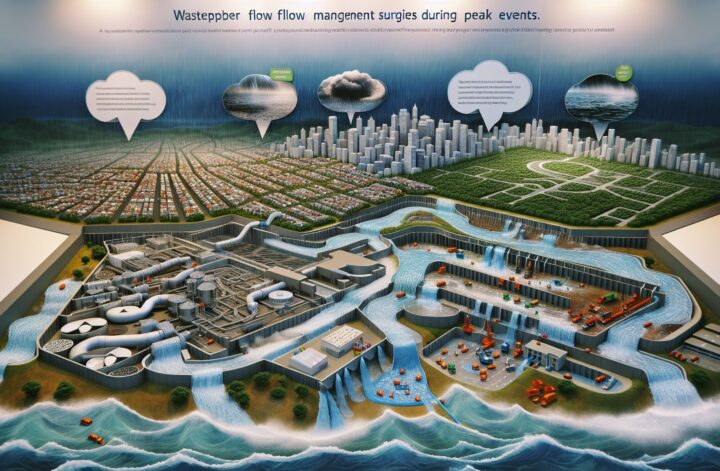
Wastewater treatment plants must account for unpredictable events that increase flow rates. These high-load events, such as heavy rains or industrial disposal, can stress the system beyond its capacity. This, in turn, may degrade the quality of treatment and cause operational issues including excess wear on equipment, safety risks, and potential violations of regulatory standards. This article discusses strategies for managing wastewater flows during peak events, considering real-world challenges and potential outcomes.

Understanding Flow Variability

Flow variability in a wastewater treatment plant can be influenced by numerous factors. These may include climate conditions, industrial activity, community growth, and infrastructure aging among others.

During extreme weather events, such as heavy rains or snow melts, a significant increase in sewage volume enters the plant. This influx, often referred as inflow and infiltration, can quickly exceed the plant’s designed capacity, resulting in reduced treatment efficiency or even overflow.

Industrial and commercial activities might also contribute to peak flow events. A sudden surge in production could lead to dramatic increases in the wastewater being discharged.

Finally, continuous expansion of the served population and deterioriation of infrastructures can also challenge the plant’s capacity. Aging infrastructures often lead to more infiltration, while community growth leads to increased wastewater generation.

Access reliable data on these influences and understanding their interactions can aid in the development of effective wastewater flow management strategies.

System Capacity Upgrade

One obvious solution to handling peak flow events is upgrading the system’s capacity. This could involve expansions or upgrades like the addition of larger pipes, increased storage capacity, or additional treatment units.

However, these solutions often require significant capital investment and long implementation timelines. Furthermore, enhancing the system’s capacity to accommodate rare peak events may not be economical, considering that high capacity systems tend to be underutilized during normal operations.

Flow Equalization

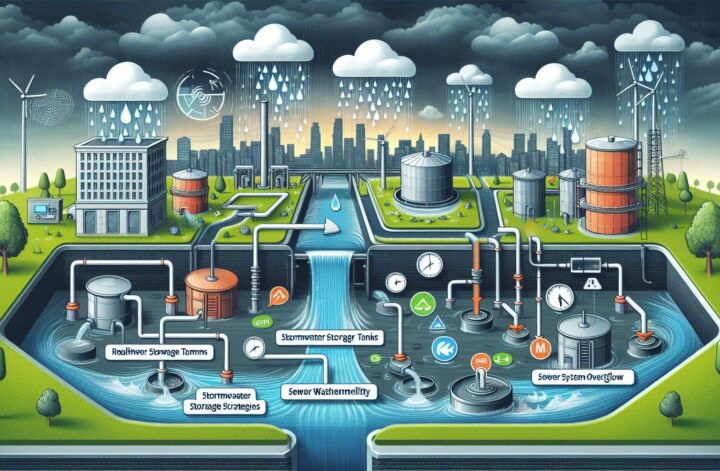
Flow equalization is another effective strategy for managing peak events. The process involves storing excess water during peak times and gradually releasing it back into the system during off-peak periods.

This method can reduce the size and cost of downstream processing facilities because they no longer need to be designed for peak flow conditions. Instead, a constant flow is maintained, which optimizes operations and improves the overall efficiency of the wastewater treatment plant.

Real-time Control Systems

Modern technology now allows for the implementation of real-time control systems in wastewater treatment plants. These systems use sensors to monitor flow rates and adjust operations accordingly.

Real-time control needs advanced data processing and dynamic modeling, supported by reliable telecommunication networks. While this approach requires initial investments in technology and training, it can significantly reduce operational costs and improve the plant’s resilience to peak events.

For more insights, the U.S. Environmental Protection Agency provides valuable resources about the use of sensors and models in improving water quality.

Planning, Education and Collaboration

Effective wastewater flow management during peak events is not just about technical solutions. It also involves community planning, education and collaboration.

Planning should account for potential influences on flow variability. For instance, managing land development to mitigate runoff and stormwater inflow can be an effective measure.

Educating the community about proper disposal habits can reduce improper discharges that lead to system overloads. Businesses also play a crucial role, especially those that generate significant wastewater.

Finally, the collaboration with institutions, such as the local government, stakeholders and universities, is vital. For example, Stanford University’s Sustainable Water Solutions Initiative offers compelling collaboration and research opportunities for sustainable water solutions.

Conclusion

In conclusion, flow variability and peak events present serious challenges for wastewater treatment facilities. However, through a combination of improved understanding, capacity upgrade, flow equalization, real-time control, and community collaboration, these challenges can be managed and mitigated.

While some strategies require significant capital investment, others can be achieved with minimal cost, emphasizing the value of data analysis, community education and collaboration alongside technology. Each wastewater treatment plant will need to evaluate these strategies based on its unique needs and context. The optimal solution will likely be multifaceted, uniting several of these strategies for the most effective wastewater flow management.

Continue Reading

Wastewater operations reference for flow management

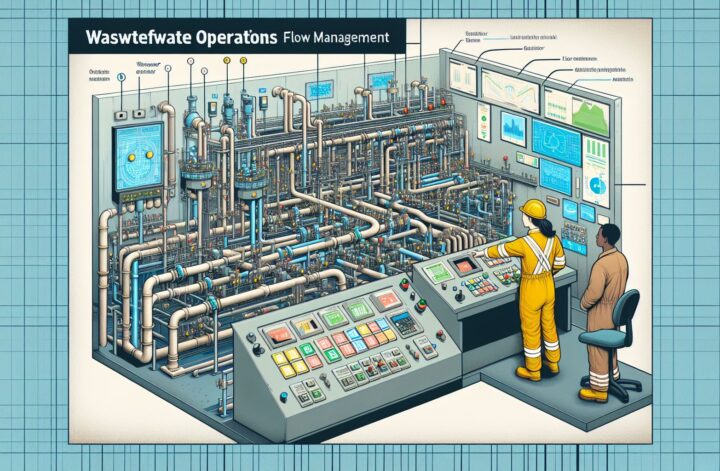
Wastewater operations and management are a critical part of the infrastructure for any city or community. Wastewater flow management, in particular, is an essential component of wastewater operations due to its implications for public health, environmental protection, and legal compliance. Effective flow management strategies help prevent overflows, guarantee compliance with discharge restrictions, and optimize operational costs.

The Importance of Wastewater Flow Management

From a practical standpoint, flow management in wastewater operations is crucial to ensure a smooth and effective treatment process in wastewater facilities. Since the volume and pattern of wastewater inflows can vary dramatically, operators must be prepared to handle unpredictable shifts in flow rates.

Controlling the hydraulic capacity of the facility means stopping problems before they occur. Inflows and infiltration (I&I) is a significant concern for many wastewater systems. Water from storm runoff, illegal connections, or leaking infrastructure can infiltrate into the wastewater system, adding to the overall flow volume. This extra water can strain the system, lead to sanitary sewer overflows (SSOs), and degrade the overall effectiveness of the treatment process.

Tools and Techniques for Flow Management

For effective wastewater flow management, monitoring and data collection tools are used extensively. Supervisory Control and Data Acquisition (SCADA) systems, for example, provide real-time monitoring of flow rates and other critical parameters, supporting operational decision-making at wastewater facilities.

Flow equalization is another widely utilized technique in flow management. This process involves the temporary storage of high-volume flows during peak periods, to be gradually reintroduced to the treatment process during off-peak periods. Equalization basins help alleviate pressure on treatment processes, prevent system overflows, and improve the overall efficiency of the treatment process. These equalization basins, however, require proper planning and maintenance to avoid issues such as potential toxicity and odor problems.

Challenges in Wastewater Flow Management

While flow management is a critical function in wastewater operations, it can present several challenges. One is the potential for system overflows during periods of heavy rainfall. These overflows bypass the treatment process and discharge untreated or partially treated wastewater directly into water bodies, posing serious health and environmental risks.

One potential solution to this issue is the use of green infrastructure techniques (more info at EPA website) such as permeable pavements, green roofs, and rain gardens that naturally manage stormwater where it falls, reducing the amount that enters the wastewater system.

A significant issue in managing wastewater flow is the aging infrastructure in many cities across the U.S. Old and decaying pipelines often cannot handle the high volumes of flow, particularly during storm events. Regular maintenance and timely upgrades are necessary to prevent breakages and leaks that can cause treatment disruption, overflows, and high repair costs.

Innovations in Wastewater Flow Management

Technology and innovation continue to play a significant role in advancing the tools and techniques used in wastewater flow management. For instance, advanced metering systems are now used to accurately monitor and control the flow rates. Intelligent network modeling and predictive analytics are transforming the way wastewater systems are managed and maintained.

Sensor technology is an area that continues to develop rapidly, offering wastewater operators more options for monitoring and controlling their systems in real-time. There’s considerable potential in the area of IoT (Internet of Things) technology, which offers the promise of a smarter, more connected approach to wastewater flow management.

For additional valuable information about wastewater operation updates and services, I recommend visiting WaterandWastewater.com.

In Conclusion

In conclusion, wastewater flow management is a critical component of an effective, efficient, and environmentally responsible wastewater operations system. Despite the challenges it presents, advances in technology and innovative techniques are providing wastewater operators more tools than ever to manage flows effectively. Overall, sound flow management practices will help ensure the smooth operation of wastewater treatment facilities, compliance with environmental regulations, and protection of public health. As we continue to learn, adapt, and innovate in this area, the future of wastewater flow management looks promising.

Continue Reading

Urbanization impacts on wastewater flow variability

Urbanization is a widespread global phenomenon marked by increased population density and vast human activities in an urban context. With the increase in population, the amount of wastewater generated also increases. This accelerated urban growth has profound implications for wastewater flow variability, particularly in areas of rapid urban expansion. This article provides an overview of the interaction between urbanization and wastewater flow as well as highlighting some of the resulting impacts and considerations.

The Urbanization-Wastewater Relationship

Urban areas are characterized by a high concentration of buildings, paved roads, and other impermeable surfaces. When it rains, these hardened surfaces prevent rainwater from naturally seeping into the ground, creating significant runoff that can enter wastewater systems along with typical household sewage. This added runoff often results in hydraulic overloading, or instances where the flow rate exceeds the carrying capacity of the sewer system, and can lead to system backups and overflows.

According to the U.S. Environmental Protection Agency’s urban runoff research, these issues are relatively common in urban environments, especially during periods of heavy rainfall. Adding to the challenge, cities with aging or inadequate wastewater infrastructure often lack the capacity to handle higher flow rates introduced by rapid urban development.

Impact of Wastewater Surge-Related Overflows

Abnormal surge situations can overwhelm wastewater treatment facilities, resulting in untreated or partially treated wastewater flowing into surrounding water bodies. This can lead to considerable environmental damage, negatively impacting aquatic life, polluting recreational water bodies, and generally degrading the water quality of rivers, streams, and lakes.

The release of untreated wastewater can simultaneously pose a severe threat to public health. It often contains harmful bacteria, viruses, and other pathogens that can cause a variety of water-borne diseases. Nutrient pollution, another consequence of wastewater overflows, can also lead to harmful algal blooms and dead zones in local waterways.

Managing Urban Wastewater Flow Variability

To mitigate urbanization’s impacts on wastewater flow variability, updated infrastructure and improved management approaches are necessary. Widespread urban water management initiatives aim to minimize the amount of wastewater entering the system, ensuring efficient, and effective wastewater treatment.

One common approach is to switch from combined sewer systems – where stormwater and sewage are managed together – to separate systems. This reduces the risk of overflows from stormwater drainage and sewage.

In addition to updating infrastructure, cities are adopting green infrastructure approaches, such as the creation of permeable pavements, green roofs, and rain gardens, to reduce and filter stormwater runoff.

While these efforts can alleviate some of the problems related to urbanization and wastewater flow variability, they also require substantial investment and careful planning. Consequently, urban planners, city managers, and wastewater professionals must work in concert to balance urban development needs with environmental considerations.

Conclusion

Rapid urbanization has a direct and profound impact on wastewater flow variability. Increased volumes of waste, coupled with the inability of aging infrastructure to keep up, often lead to system overloads. These have detrimental effects on both water quality and public health.

However, through the implementation of green strategies and upgraded infrastructure, cities can significantly reduce the risks associated with urban wastewater management. Moving forward will require strategic efforts from everyone involved in community development. More efforts are needed in water resources research and public infrastructure development to ensure we build with sustainability and future growth in mind. Ultimately, it is in the best interest of public health, the environment, and the long-term viability of our urban communities.

Continue Reading

Flow surges and clarifier performance impacts

Every water treatment plant commissioner or manager understands the significant role of clarifiers in maintaining water quality. Clarifiers are a pivotal element of effluent treatment and are utilized in managing numerous industrial water discharges. An essential facet of clarifier operation is managing flow surges – an often overlooked issue that can greatly impact a clarifier’s performance.

Understanding Flow Surges

Flow surges are significant, sudden changes in water flow rates that are often unexpected and could lead to multiple operational problems. These flow fluctuations can be due to many causes, such as abnormal weather conditions, equipment malfunction, or system breakdowns.

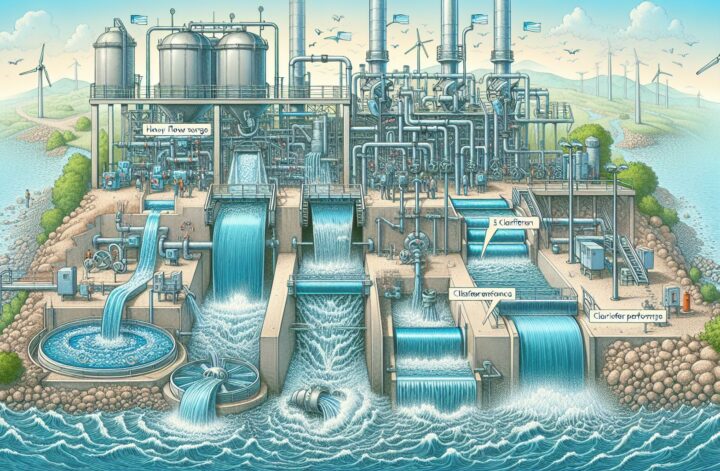
The impact of these flow surges can be quite severe. They can cause hydraulic overloading, resulting in solids washout, hampered settling rates, and compromised water quality. When there is an unexpected surge, the clarifier may not be able to treat the volume of water effectively. Without a balanced flow rate, the treatment plant may fail to achieve compliance with effluent criteria, potentially leading to regulatory issues.

Significant Issues Due to Flow Surges

One of the most common consequences of flow surges is the occurrence of sludge fluctuations or sludge blanket instability. This instability can lead to decreased effluent quality because of the poorly managed transport of solid materials. Solids escape from the system, leading to the discharge of untreated or partially treated effluent, penetrating the receiving water body.

In addition, flow surges can also lead to hydraulic overload on the unit, causing massive structural damage. The interconnection of processes in a water treatment plant means that the problems from these surges can also migrate to the other unit processes, compounding the deterioration in overall plant performance.

Ways to Manage Flow Surges

Successful management of flow surges comes down to two key strategies: detection and mitigation.

The first step in managing flow surges is real-time detection and monitoring. Modern advancements in technology provide tools and systems that allow plant operators to monitor flow rates regularly and detect any significant changes. Rapid detection is a must in preventing serious damage from surges. Operators can use data analytics, sensors, and flowmeters to detect and address these issues in their early stages. For better flow monitoring and data analytics, many treatment plant operators source data from the United States Geological Survey (USGS) to compare and benchmark their hydraulic performance data.

Mitigation strategies involve having a robust control system. Having a control system that can switch on and off based on the varying flow can protect a plant from the detrimental effects of flow surges. Automation comes into play when quick responses are required for fluctuating conditions to avoid damage. For instance, automatic control systems can adjust the rate of inflow or reroute unexpected surges to prevent damage.

Flow Equalization: A Key Solution

Flow equalization is an ideal solution for mitigating flow surges. By tempering the fluctuations of influent flows, equalization stabilizes the rate at which water enters the clarifier. Equalization basins can provide storage when flows exceed the treatment capacity, and they release water when the flow rate reduces, ensuring a constant flow.

Flow equalization can vastly improve the operational efficacy of a treatment plant by stabilizing processes, enhancing performance, reducing operational issues, and increasing plant capacity.

Real-world Considerations

In the real world, these strategies need to be backed by regular maintenance of the control systems. It’s critical to ensure that all parts of the system are working efficiently and as intended. Regular servicing and maintenance prevent unexpected breakdowns and keep the system ready to handle unexpected surges.

As an essential part of water treatment processes, clarifiers need to be managed properly to ensure efficiency in their operation. Though flow surges present unique challenges, these can be mitigated with the right operational strategies, technology, and maintenance. For water treatment plant managers, understanding flow surges and having strategies to manage them can ultimately lead to improved plant efficiency and environmental compliance.

For more information on how to manage and treat flow surges, an excellent source is the US Environmental Protection Agency (EPA) and the Water Research Foundation (WRF), which offer extensive resources on water treatment processes and clarifier performance.

Continue Reading

Peak flow events and treatment bypass risk

Introduction to Peak Flow Events

Peak flows represent periods of markedly increased water flow, typically during or after rainfall events. They present a significant challenge to wastewater treatment plants (WWTPs), often exceeding their operational capacities. This can lead to undesirable scenarios, such as the release of untreated or partially treated sewage into local water bodies, known as treatment bypass. Understanding the implications and potential mitigation strategies for peak flow events is a vital consideration for wastewater management.

Causes of Peak Flow Events

Weather is the chief cause of peak flow events. Heavy rainfall can infiltrate the sewer system in several ways. It can enter sewers through inflow, which is water directed into sewers through connections like roof downspouts, or infiltration, where groundwater enters sewer pipes through cracks or leaky joints. In older cities with combine sewer systems, rainwater connects directly into the sewers, increasing flows dramatically during wet weather.

Combined sewer systems are designed to collect rainwater runoff, domestic sewage, and industrial wastewater in the same pipeline. During periods of heavy rainfall or snowmelt, the wastewater volume can exceed capacity, and overflow can occur. The combined sewer overflow guidance by the US EPA provides extensive information on how to manage these systems properly to limit environmental impact.

The Risk of Treatment Bypass

Treatment bypass events occur when peak flow exceeds the processing capacity of the WWTPs. Excessive flows can overflow treatment systems, leading to untreated or partially treated water being discharged directly into nearby rivers, streams, or other water bodies.

Consequently, these bypass events can impact public health and environmental quality. Untreated wastewater often contains harmful bacteria and pollutants which can negatively affect water quality.

Measures to Reduce Bypass Risk

There are various operational methods to manage bypass risk during peak flow events.

Capacity optimization can involve scheduling maintenance during seasons with low rainfall to ensure maximum treatment capacity during high-risk seasons.

System improvements are another method to manage peak flows. Infrastructure upgrades to augment plant capacity or installing real-time control systems can be beneficial.

Rainwater harvesting practices in urban areas can help reduce entrance of excess rainwater into the sewer system.

Implementing low impact development (LID) strategies can also reduce infiltration and inflow rates leading to lower peak flows. LID promotes water conservation and quality, emphasizing the idea that rainwater is a resource rather than waste.

Long-term Planning for Peak Flow Management

Long-term strategies often involve the upgrading of preventative measures, such as enhancing infrastructure resilience and involving urban planning for managing rainfall and snowmelt. Advanced forecasting and monitoring systems can also help predict and manage peak flow events.

Flow reduction initiatives help reduce wastewater quantity before it reaches treatment plants. These can include high efficiency plumbing fixtures and appliances, promoting water conservation practices and implementing green infrastructure.

The Integrated Planning approach suggests coordinating wastewater and stormwater management to handle higher peak flows effectively, a strategy endorsed by many municipalities across the US.

Conclusion: Co-Responsibility for Peak Flow Management

Peak flow events and treatment bypass risk requires the participation of a wide range of stakeholders. From municipalities to residents, everyone has a role to play. Public education about water conservation practices, responsible use of the wastewater system, and sustainable stormwater practices is crucial in mitigating peak flow events and subsequent treatment bypass risk.

As our knowledge about these events improves and technology advances, we are better equipped to manage peak flow events and reduce bypass risk. Further resources and research, such as the works of the Water Environment Federation, provide valuable insights for those seeking practical solutions for these challenges.

Continue Reading

Managing wet weather flow events in wastewater systems

Wet weather flow events pose significant challenges to wastewater systems. These events, such as heavy rains or snowmelt, cause an increase in the volume of flow in a wastewater system, which can lead to various issues. This article aims to examine these issues in detail and provide practical solutions for managing them effectively.

Understanding Wet Weather Flow Events

Wet weather flow events refer to any meteorological event that increases the amount of water running off into a wastewater system. This includes heavy rainfall, rapid snowmelt, and storms. Wet weather events can result in increased flow into the sewer system, and if not properly managed, can lead to overflows, flooding, and system failures. These pose major environmental, public health, and economic problems.

Impacts of Wet Weather Flow Events on Wastewater Systems

When a large volume of water enters the wastewater system unexpectedly, it can quickly exceed the system’s capacity. This overcapacity can result in sanitary sewer overflows (SSOs), where untreated wastewater spills onto city streets or even into homes. In addition, these overflows can force treated water back into bodies of water, potentially contaminating drinking water supplies and natural habitats.

The upshot is that effective wet weather flow management is about more than just maintaining the integrity of the wastewater system. It’s also crucial for protecting public health and the environment. For robust technical guidelines for managing wet weather events, the U.S. Environmental Protection Agency’s wet weather management guidance can be an invaluable resource.

Current Methods for Managing Wet Weather Flow

There are several recognized measures for managing the impacts of wet weather events on wastewater systems. These include methods for reducing the inflow and infiltration of stormwater into sewers. These might involve updating the design of the system to accommodate increased flows or upgrading the infrastructure, such as installing larger or additional pipes. Also, the use of advanced monitoring and control systems can help manage flows more effectively through real-time data.

More recently, there’s been a move toward “green infrastructure” in wet weather flow management. This refers to the use of natural systems or engineered systems that mimic natural landscapes to store, absorb, or delay runoff. Green infrastructure can include features like green roofs, rain gardens, and permeable pavement.

The Challenges of Implementing Wet Weather Flow Management Measures

While implementing these measures can significantly reduce the impacts of wet weather flow events, it also brings about certain challenges. For one, updating or upgrading infrastructure can be expensive and might require considerable time and resources. Plus, it could potentially disrupt normal operations and cause inconvenience to the public.

On the other hand, while green infrastructure can be more cost-effective and environmentally friendly, its effectiveness varies depending on the local climate, soil type, and other factors. Furthermore, it might not be feasible to implement in certain densely populated or built-up areas.

Moving Forward in Wet Weather Flow Management

To address these challenges, it’s crucial for authorities to take an integrated and adaptable approach to wet weather flow management. This involves considering all the available options–including traditional infrastructure upgrades and less conventional green infrastructure solutions–and selecting the most appropriate combinations for their specific circumstances. They should also ensure they’re fully utilizing existing capacities and taking steps to minimize flow volumes, such as by implementing efficient stormwater management practices.

As wet weather flow events become more frequent and severe, due to climate change, the need for effective management of these events is becoming more urgent. Therefore, it’s essential for wastewater operators to continuously learn, adapt and innovate to protect their systems, their communities, and the environment.

By achieving a better understanding of wet weather flow events and their impacts, and by employing a balanced and adaptable approach to management, we can reduce the risks and costs associated with these events, while also enhancing the sustainability and resilience of our wastewater systems.

For further exploration on this topic, this detailed analysis from Stanford University provides an in-depth look at the challenges and opportunities associated with managing wet weather flow events. Furthermore, case studies from cities that have successfully implemented innovative solutions could serve as useful models for other communities. A great example is the City of Portland’s aggressive Green Streets program, which shows how green infrastructure can be effectively integrated into urban environments.

Continue Reading