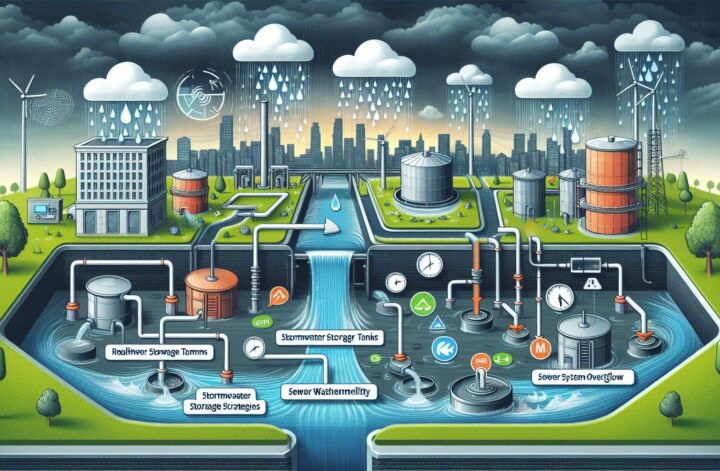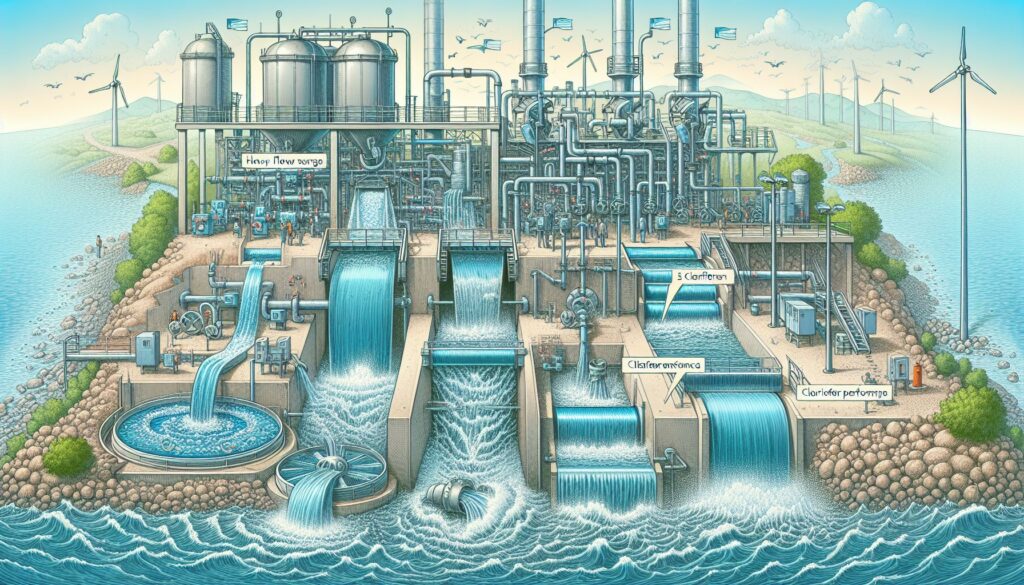
Every water treatment plant commissioner or manager understands the significant role of clarifiers in maintaining water quality. Clarifiers are a pivotal element of effluent treatment and are utilized in managing numerous industrial water discharges. An essential facet of clarifier operation is managing flow surges – an often overlooked issue that can greatly impact a clarifier’s performance.
Understanding Flow Surges
Flow surges are significant, sudden changes in water flow rates that are often unexpected and could lead to multiple operational problems. These flow fluctuations can be due to many causes, such as abnormal weather conditions, equipment malfunction, or system breakdowns.
The impact of these flow surges can be quite severe. They can cause hydraulic overloading, resulting in solids washout, hampered settling rates, and compromised water quality. When there is an unexpected surge, the clarifier may not be able to treat the volume of water effectively. Without a balanced flow rate, the treatment plant may fail to achieve compliance with effluent criteria, potentially leading to regulatory issues.
Significant Issues Due to Flow Surges
One of the most common consequences of flow surges is the occurrence of sludge fluctuations or sludge blanket instability. This instability can lead to decreased effluent quality because of the poorly managed transport of solid materials. Solids escape from the system, leading to the discharge of untreated or partially treated effluent, penetrating the receiving water body.
In addition, flow surges can also lead to hydraulic overload on the unit, causing massive structural damage. The interconnection of processes in a water treatment plant means that the problems from these surges can also migrate to the other unit processes, compounding the deterioration in overall plant performance.
Ways to Manage Flow Surges
Successful management of flow surges comes down to two key strategies: detection and mitigation.
The first step in managing flow surges is real-time detection and monitoring. Modern advancements in technology provide tools and systems that allow plant operators to monitor flow rates regularly and detect any significant changes. Rapid detection is a must in preventing serious damage from surges. Operators can use data analytics, sensors, and flowmeters to detect and address these issues in their early stages. For better flow monitoring and data analytics, many treatment plant operators source data from the United States Geological Survey (USGS) to compare and benchmark their hydraulic performance data.
Mitigation strategies involve having a robust control system. Having a control system that can switch on and off based on the varying flow can protect a plant from the detrimental effects of flow surges. Automation comes into play when quick responses are required for fluctuating conditions to avoid damage. For instance, automatic control systems can adjust the rate of inflow or reroute unexpected surges to prevent damage.
Flow Equalization: A Key Solution
Flow equalization is an ideal solution for mitigating flow surges. By tempering the fluctuations of influent flows, equalization stabilizes the rate at which water enters the clarifier. Equalization basins can provide storage when flows exceed the treatment capacity, and they release water when the flow rate reduces, ensuring a constant flow.
Flow equalization can vastly improve the operational efficacy of a treatment plant by stabilizing processes, enhancing performance, reducing operational issues, and increasing plant capacity.
Real-world Considerations
In the real world, these strategies need to be backed by regular maintenance of the control systems. It’s critical to ensure that all parts of the system are working efficiently and as intended. Regular servicing and maintenance prevent unexpected breakdowns and keep the system ready to handle unexpected surges.
As an essential part of water treatment processes, clarifiers need to be managed properly to ensure efficiency in their operation. Though flow surges present unique challenges, these can be mitigated with the right operational strategies, technology, and maintenance. For water treatment plant managers, understanding flow surges and having strategies to manage them can ultimately lead to improved plant efficiency and environmental compliance.
For more information on how to manage and treat flow surges, an excellent source is the US Environmental Protection Agency (EPA) and the Water Research Foundation (WRF), which offer extensive resources on water treatment processes and clarifier performance.